
Lo Specchio di Elisabetta
Translated from the Italian. Titles, names, venues and press headlines are kept as originally published.
LO SPECCHIO DI ELISABETTA
tratto from omonimo libro by NADIA FUSINI
adattamento, versificazione e cura by ALESSANDRO FABRIZI
with
STEFANIA ORSOLA GARELLO
and
ALESSANDRO LIBRIO viola
scenografia e costumi
MAURIZIO AMADEI
musica originale
SANTI PULVIRENTI
directed by
ALESSANDRO FABRIZI
UNO SPECCHIO DA DIRE A VOCE ALTA
Director's notes
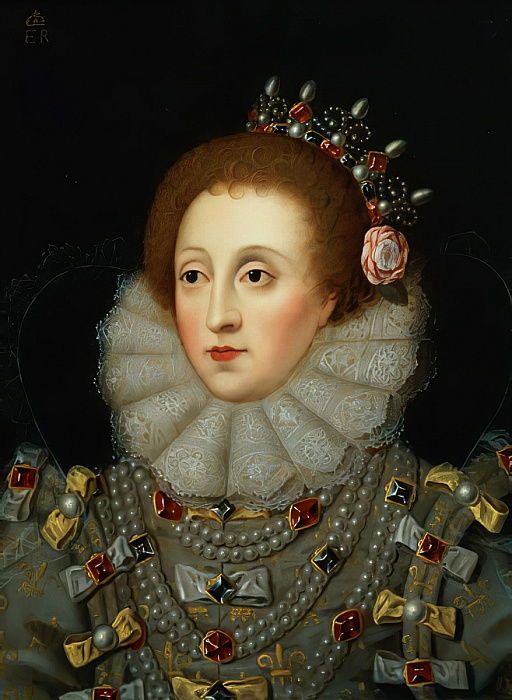
Lo Specchio di Elisabetta is, first of all, the title of a novel by Nadia Fusini, published in Italy in 2001 – a 'novel' that is at once récit, historical fresco and confession of a soul, in which Nadia Fusini applies her deep knowledge of Shakespeare's world to telling the extraordinary story of a woman – indeed, a Queen.
The 'novel' takes on the structure of a play, with two main speakers: Elizabeth and Jack (John Harington). A play that often flows like a monologue – the monologue of the Queen, who on her deathbed tells Jack about her life.
Nadia Fusini herself, aware of this theatrical impulse in her novel, asked me one day, shortly after it was published, to adapt it for the stage. And so I did, condensing the vast material, imagining scenes and small events, but above all translating Nadia Fusini's words into verse – specifically hendecasyllables, which I consider the equivalent of the blank verse based on iambic pentameter, the metre in which Shakespeare's characters and those of Elizabethan theatre most often speak.
Dal mio lavoro, condotto in fitto dialogo e confronto with Nadia Fusini, è nato quest’altro “Specchio dello Specchio”, uno Specchio by Elisabetta da dire e patire e comunicare ad alta voce, permettendo to respiro e alla voce umana by farne vibrare le corde dolorose e gioiose, by esaltazione e dubbio, by grandezza e miseria.
One day Stefania Orsola Garello looked into this mirror – an actress and a sensitive soul, like the finest litmus paper. And Stefania generously threw herself in with me, without a safety net, to give breath and voice to those words. From my text something was born that lies between reading and theatre, between monologue and mise en espace with music, between soliloquy and dialogue with a man who listens (Jack)… but within these restless coordinates I believe Elizabeth's voice resonates as Fusini conceived it, and to me this oscillation of forms is already fully theatre.
Alessandro Fabrizi
È vecchia la Regina Elisabetta,
time presses her, illness torments her.
The long and sacred hand that held
The sceptre and the orb is now a claw…
Gli ultimi giorni by una donna eccezionale, Elisabetta I d’Inghilterra,
her agony summons ghosts and private moments.
A woman, a queen, an island and her loving people.
Dignità e disperazione, humor sagace.
A painful journey into the crowded silence of a soul both stubborn and delicate.
****
Queen Elizabeth is tired. Time presses on her, fast; the end is drawing near…
A un certo punto dice: fate venite a corte sir John Harrington.
E a lui la Regina racconta, racconta…
“I was greedy for happiness. In the evening I wished someone would lay his head in my lap and stay there, eyes closed, as if asleep. Dudley, Robin, Hatton, Raleigh, Essex… My hand in his hair, his thick, silky hair… Empty moments. It seemed to me… At times it seemed I was falling, sinking into lakes of sweetness I had inside me. I was a King; I could not. Fully enjoy intimacy. I, King of an island. Alone. Odd. Unpaired…”